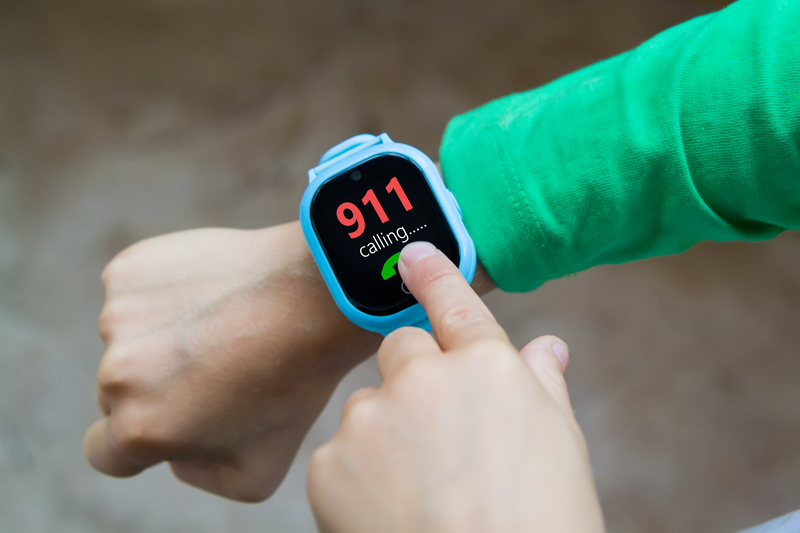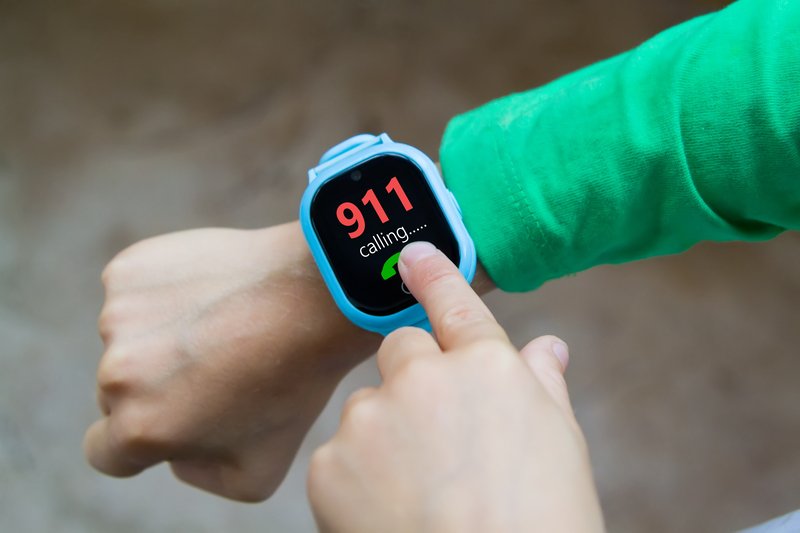
For many parents, tracking their child’s location is an important safety measure. An entire industry of GPS trackers, smartwatches designed for kids, and smartphone apps promise peace of mind for their parents. With a quick glance, parents can see whether their child arrived at school, made it to practice, or is on the way home.
And truly, it’s easy to understand the appeal. In one survey, roughly 80 percent of parents reported tracking their child’s location using devices that range from Bluetooth tags to GPS-enabled smartwatches.
But that peace of mind raises a deeper question: where does all of that location data go?
The Data Behind the Dot on the Map
Many tracking devices collect far more than a location ping. Depending on the product, they may gather location histories, device identifiers, messages, and detailed movement patterns.
That information is typically stored on company servers and accessed through mobile apps. Parents often assume products marketed for children come with stronger privacy protections, but that is often not the case. Some child-tracking devices lack basic security protections like multifactor authentication or message encryption.
When Safety Data Becomes Surveillance Data
Location data is among the most sensitive information that exists. Over time, it can reveal where someone lives, goes to school, and the habits of their daily routines.
At the same time, the modern data economy increasingly collects and aggregates detailed information about people’s movements and behaviors. So what happens when that data is collected, housed, or even sold? What happens when the massive data aggregator is hacked, and the daily movements of your child are exposed online? What happens when the daily, specific locations of your child’s whereabouts are sold online to the highest bidder?
It creates all sorts of concerns. If that data is sold on the dark web, what if those who traffic in children can purchase the minute-by-minute movement of your child? What happens if criminals and predators can identify where you and your children live, and what danger does it pose to our kids going about their day-to-day lives?
We have a system where vast quantities of personal data are compiled and resold with extremely limited transparency and regulations. And the actions of these data brokers and aggregators could put your children at risk while making them billions.
Parents tracking their children are responding to tools designed to keep families safe. But safety tools should not quietly double as data collection pipelines.
If companies are collecting detailed location histories about children, families deserve clear answers about how that data is stored, who can access it, and who else has access. The location of your child shouldn’t just sit on a server somewhere, hackable to those online who mean to do our children harm. And it certainly shouldn’t be packaged and sold to companies or foreign actors, with no oversight or understanding.
We wouldn’t share our kids’ location with a stranger; why would we allow it to be accessed by millions of them?

 ;
;