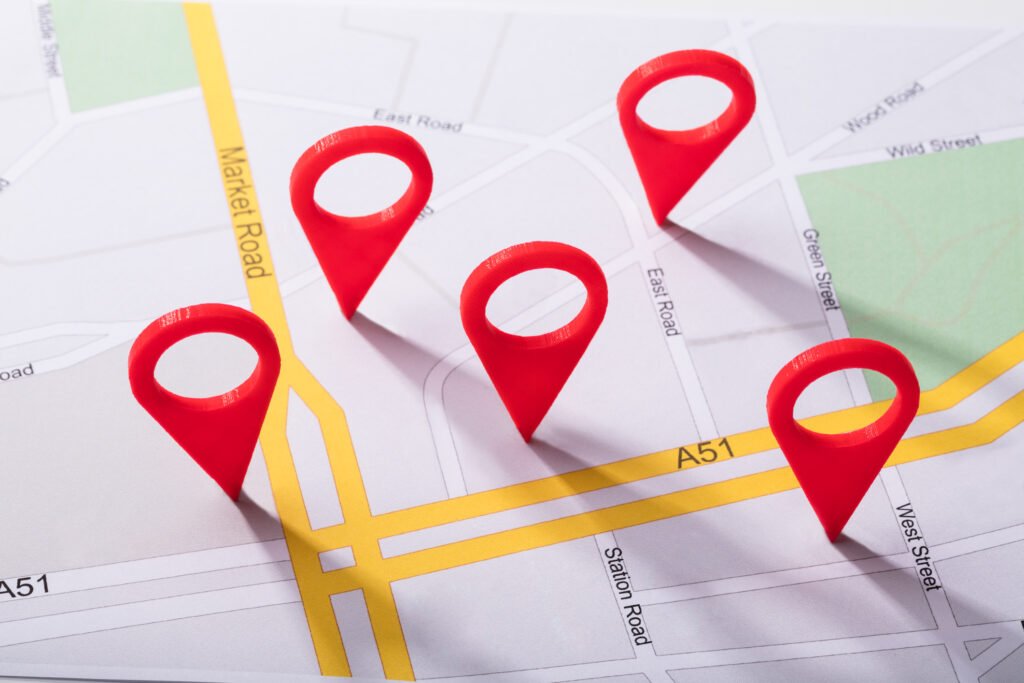
The FTC’s recent settlement with data broker Kochava in which it banned it and its subsidiary, Collective Data Solutions, from selling sensitive location data without consumers’ affirmative consent is a meaningful win for privacy advocates across the country. However, it did take four years of litigation to get there, that’s four years during which precise data tied to hundreds of millions of mobile devices, likely revealing visits to health clinics and places of worship, remained in circulation.
This is exactly the type of gap the SECURE Data Act is designed to close. Under the proposed federal framework, precise geolocation data would be classified as sensitive data requiring opt-in concert before it is processed; not a standard companies negotiate after the fact in court. Data brokers would register annually with the FTC, creating accountability before harm can even occur.
Enforcement actions matter, but they are reactive by nature. A comprehensive national standard would give consumers rights from day one and give the FTC a clearer, more proactive mandate. The Kochava case makes the argument for federal legislation blatantly clear.

 ;
;