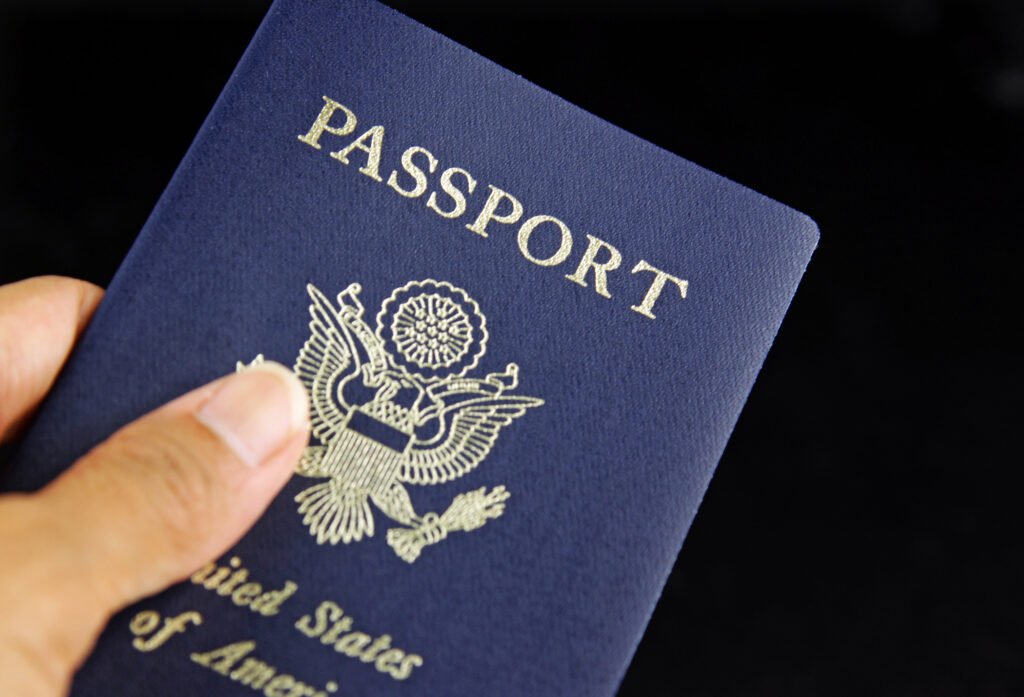
A new White House office spent the past year rebuilding some of the most sensitive federal websites, the ones for passports, voter registration, prescription drug pricing, and children’s savings accounts. According to a Guardian investigation, it ran commercial visitor-tracking software on them while skipping the privacy disclosures federal law requires.
The office is the National Design Studio, created by executive order last August and staffed largely by DOGE veterans. It built four public federal sites, none of which filed the notices required under the Privacy Act of 1974 and the E-Government Act of 2002. Its spending doesn’t appear in the federal contracting database either, so it’s unclear who pays for it or who oversees it.
The tracking is the part worth slowing down on. On at least two sites, the studio installed a tool called PostHog that records clicks, scrolls, and keystrokes. It was configured to route data through the government site’s own address rather than PostHog’s servers, so the adblockers millions of people rely on never flagged it. The studio appears to have removed the tracking only after the Guardian started asking questions.
This is the familiar privacy problem, except the collector is the government and the data is what you hand over to apply for a passport or register to vote. A lawyer at EPIC called it a clear violation of the disclosure rules and warned that routing these systems through the White House is “dangerous and it’s going to erode trust.”
Americans can’t opt out of applying for a passport. The least they should expect is that the government isn’t quietly recording the session.

 ;
;