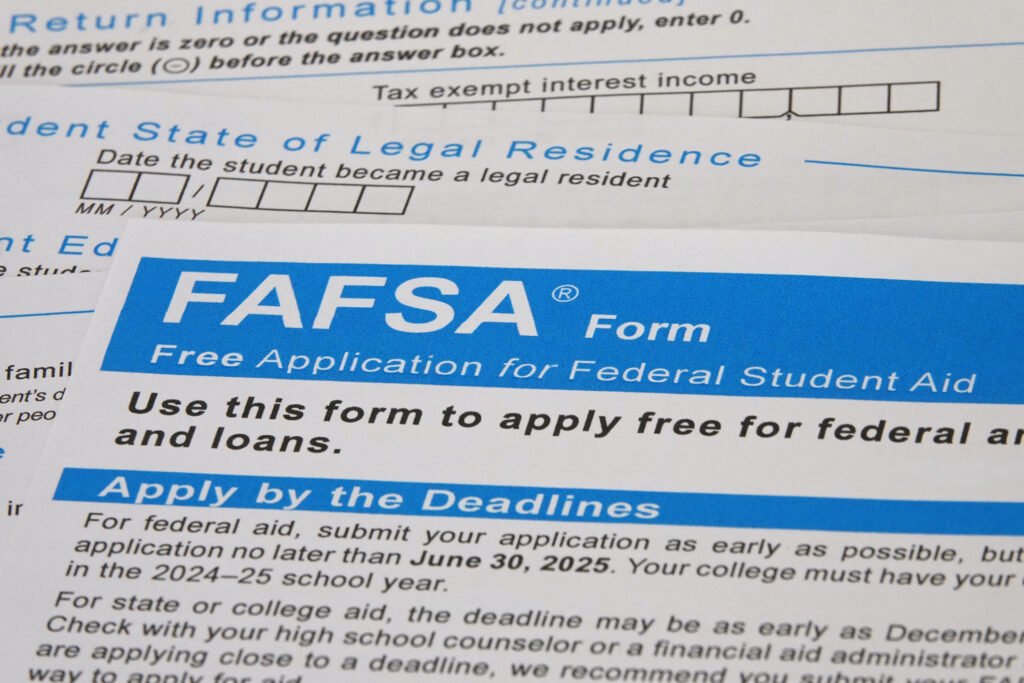
Fighting financial aid fraud is a worthy goal. But H.R. 7892, the No Aid for Ghost Students Act of 2026, raises some legitimate questions that shouldn’t get lost.
The bill requires the Department of Education to screen every FAFSA through a federal identity fraud detection system, and mandates that colleges freeze disbursements and verify flagged students using federally defined procedures. On paper, it’s hard to argue with. In practice, it hands Washington new authority over processes that colleges and states have long managed themselves.
Universities already have enrollment verification systems. Many state schools operate under their own fraud prevention protocols tailored to their student populations. This bill tells them to fall in line with whatever the federal government decides is the right process without exceptions and no flexibility. That’s a significant shift, and not one we should wave through without scrutiny.
There’s also a redundancy problem. The Congressional Budget Office noted that the Department of Education had already announced plans to implement much of what this bill requires, without any new law. If the department is already doing it, what does the legislation actually add? Mostly, it adds permanence to federal authority and reduces the ability of future administrations, or states, to handle things differently.
Fraud in the FAFSA system is a real problem worth solving. But a one-size-fits-all federal mandate that sidelines state institutions isn’t necessarily the answer. Sometimes the better play is pushing back on Washington’s reach, even when the stated goal sounds good.

 ;
;