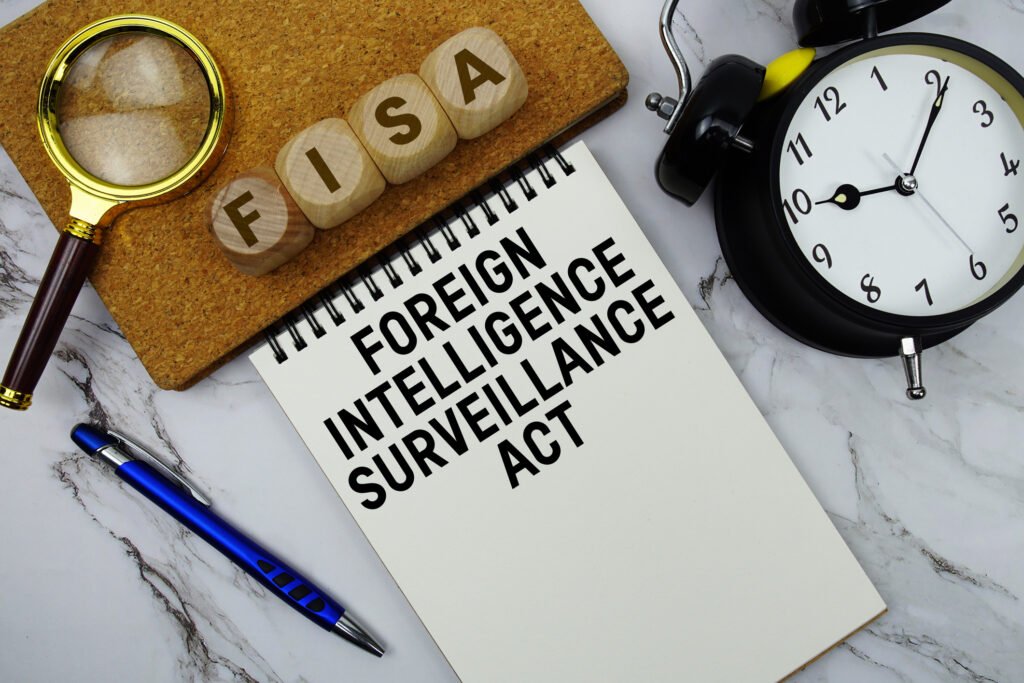
As Congress races toward an April deadline to reauthorize Section 702 of the Foreign Intelligence Surveillance Act (FISA), a debate is unfolding over surveillance powers and Americans’ data privacy.
Section 701 allows warrantless collection of communications from non-U.S. persons abroad, but it inevitably captures Americans’ data in the process, including emails, calls, and texts that may be swept up “accidentally.”
Agencies like the FBI and NSA can scour these vast databases using U.S. citizens’ identifiers without warrants or probable cause. Past abuses are well documented like millions of improper queries in a single year, often for domestic crimes unrelated to foreign threats. Critics often argue that this guts Fourth Amendment protections, turning FISA into a privacy black hole.
On the Hill, President Trump’s push for a “clean” 18-month extension has GOP leaders eyeing a quick House vote, delayed to April amid conservative pushback. Senate reformers like Mike Lee and Dick Durbin countered with a bill mandating warrants for U.S. queries and bolstering FISA court oversight by directly linking to broader data privacy battles.
FISA’s hidden data reservoirs mirror unregulated data broker practices, collecting personal data like emails and calls without warrants. This creates privacy risks with little to no user control. A clean reauthorization retains these problems, while reforms would require warrants and add oversight to protect Americans’ data.

 ;
;